

A refrigerant leak is one of the sneakiest AC problems because the system keeps running while it slowly loses its ability to cool. Our refrigerant leak repair Newark DE service uses proper detection to find the leak, seals it correctly, and recharges the system to the manufacturer's spec, so you get a lasting fix rather than a temporary top-off that leaks out again.
Refrigerant is handled by our EPA Section 608 certified technicians, as federal law requires, and we do the work responsibly. Simply adding refrigerant to a leaking system is bad for your wallet and the environment, which is why we always find and repair the source first.
As a family-owned local business, we believe in fixing the actual problem. If your AC is blowing warm, icing up, or running nonstop, call +1 (327) 210-5999 and we will track down the leak.
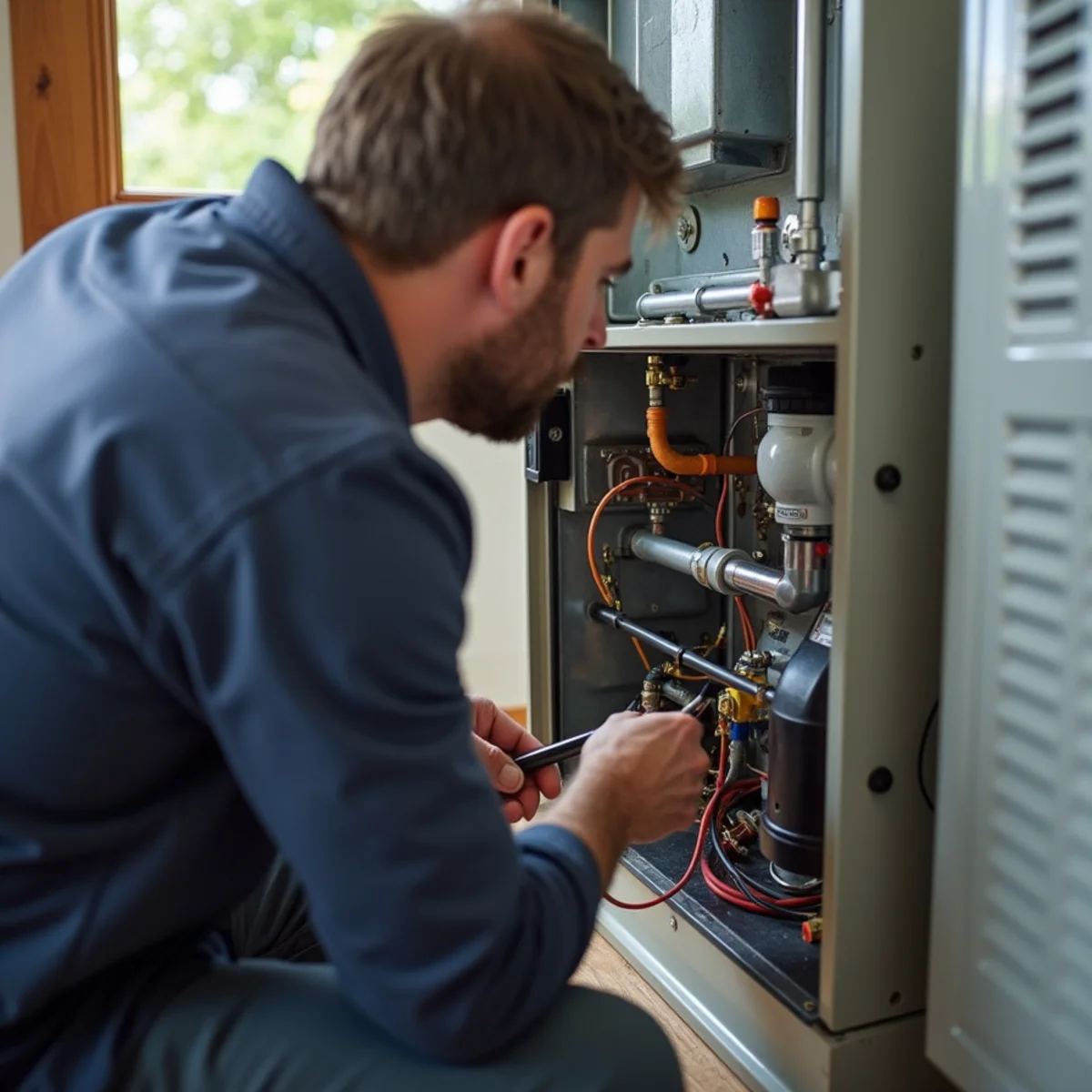
Signs You Need Refrigerant Leaks in Newark
AC blows warm despite running
Low refrigerant from a leak is a leading cause of an AC that runs but cannot cool your home effectively.
Ice on the coil or refrigerant lines
A refrigerant charge that has dropped too low can cause the evaporator coil to freeze, blocking airflow and cooling.
Hissing or bubbling sounds
A hissing noise near the indoor or outdoor unit can indicate refrigerant escaping through a leak in the lines or coil.
Rising energy bills with less cooling
As refrigerant leaks away, the system works harder for less comfort, quietly driving up your summer energy costs.
Frequent need to add refrigerant
If your AC has needed a recharge before, that is a clear sign of a leak that should be found and sealed, not repeatedly topped off.
Oily residue around fittings
Refrigerant oil traces near connections or the coil often mark the spot where the system is leaking.
Our Process
- 1
Confirm the symptoms
We start by verifying that low refrigerant, not another issue, is causing your cooling problem through pressure and performance testing.
- 2
Locate the leak
Using electronic detectors and other proven methods, we pinpoint where refrigerant is escaping, whether at a fitting, the coil, or a line.
- 3
Repair and evacuate
We seal or replace the leaking component, then evacuate the system properly to remove moisture and non-condensables before recharging.
- 4
Recharge to spec and verify
We charge the system to the exact factory specification and confirm proper pressures and cooling, so the repair lasts.
Need refrigerant leaks today?
Average 60-minute emergency response across greater Newark and New Castle County.
Why Topping Off Refrigerant Is Not a Repair
Some companies will simply add refrigerant to a leaking system and send you on your way, but that only masks the problem. The refrigerant leaks out again, you pay for another recharge, and the leak keeps venting into the atmosphere. A proper repair finds and fixes the leak so your system holds its charge for the long haul.
Refrigerant is not cheap, and losing it repeatedly adds up fast. Finding the leak and sealing it once is almost always the more economical choice, and it is the responsible one environmentally.
Refrigerant Rules and the 2026 Transition
The HVAC industry is shifting to lower-impact refrigerants, and as of January 1, 2026, new systems must use refrigerants below 700 GWP. Older systems on phased-down refrigerants can become more expensive to service as supply tightens. For an aging unit with a significant leak, this is worth factoring into any repair-or-replace decision.
- Location and severity of the leak
- Whether a fitting, line, or coil must be repaired or replaced
- Type and current cost of the refrigerant
- Amount of refrigerant needed to recharge to spec
- Age of the system and refrigerant availability
Creek-Valley Conditions and Coil Corrosion
Newark's creek-valley humidity and the flooding that can affect homes near the White Clay Creek and Christina River create conditions that accelerate corrosion on outdoor units and refrigerant lines. Over time, that corrosion can produce pinhole leaks in coils, which are a frequent source of gradual refrigerant loss in our area.
We evaluate the whole system, not just the obvious leak point, so we can advise you honestly on whether a repair will hold or whether a badly corroded coil is likely to leak again. Call +1 (327) 210-5999 for certified leak service.
What Our Leak Detection and Repair Involves
Finding a refrigerant leak takes method, not guesswork. We start by confirming that low charge, and not another fault, is causing the cooling problem, then use electronic detectors, pressure testing, and a search for telltale oil traces to pinpoint exactly where refrigerant is escaping. Whether it is a service valve, a line-set joint, or the coil itself, we locate it before recommending a repair.
Once the leak is found, we seal or replace the failing component, evacuate the system to pull out moisture and non-condensables, and recharge to the manufacturer's exact specification. Recharging to spec matters, because an over- or undercharged system runs poorly and fails early. We verify pressures and cooling before we call it done.
- Confirmation that low charge is the real cause
- Electronic leak detection and pressure testing
- Inspection of valves, joints, and coils for oil traces
- Repair or replacement of the leaking component
- Proper evacuation to remove moisture and air
- Recharge weighed to factory specification
- Final pressure and cooling verification
How Newark's Climate Accelerates Coil Leaks
The same creek-valley humidity that makes our summers sticky is hard on the metal of an outdoor unit. Homes near the White Clay Creek and Christina River, and those that see occasional flooding, deal with conditions that speed up corrosion on coils and refrigerant lines. Over years, that corrosion produces the pinhole leaks that are a frequent source of gradual refrigerant loss in the Newark area. We evaluate the whole system, not just the obvious leak point, so we can tell you honestly whether a repair will hold or whether a badly corroded coil is likely to leak again.
What Affects the Price
Every home is different, so we give written, itemized quotes rather than one-size-fits-all pricing. Here's what shapes the cost of refrigerant leaks in Newark:
- Location and severity of the refrigerant leak
- Whether a line, fitting, or full coil must be replaced
- Type and market price of the refrigerant
- Volume of refrigerant needed to recharge to spec
- System age and refrigerant availability
- Extent of any corrosion on the system
Full system replacements in the Newark area typically fall in a researched range of $7,000–$15,000. That is a benchmark for planning, not a quote — ask about Energize Delaware financing ($1,000–$50,000 at 5.99% fixed for up to 10 years).
Why Newark Homeowners Choose Us for Refrigerant Leaks
When you book refrigerant leaks with HVAC Newark DE, you get a licensed local crew that tests before it recommends, prices in writing, and stands behind the work.
18+ Years in New Castle County
A locally owned team that has worked on Newark's ranches, split-levels, rowhomes, and new builds since 2007 — not a national call center.
4.9★ From 327+ Reviews
Homeowners, landlords, and businesses across Brookside, Pike Creek, Glasgow, and beyond keep our number saved for the next heat wave or cold snap.
Licensed, Insured & EPA-Certified
A licensed Delaware HVACR contractor with EPA Section 608-certified technicians. We pull the required Newark permits and document every job.
~60-Minute Emergency Response
We answer 24/7 and average a 60-minute response across greater Newark — with upfront diagnostic pricing and a written diagnosis before work begins.
Refrigerant Leak Detection & Repair Across Newark & New Castle County
We provide refrigerant leaks throughout Newark and the surrounding communities. A few of the areas we serve:
Fast, Local & Available Now
Book Refrigerant Leaks in Newark, DE Today
Average 60-minute emergency response across greater Newark and New Castle County. Call now for upfront pricing, a written diagnosis, and Energize Delaware financing, or request your free estimate online.
- 4.9★ · 327+ reviews
- Licensed & Insured
- ~60-min emergency response